

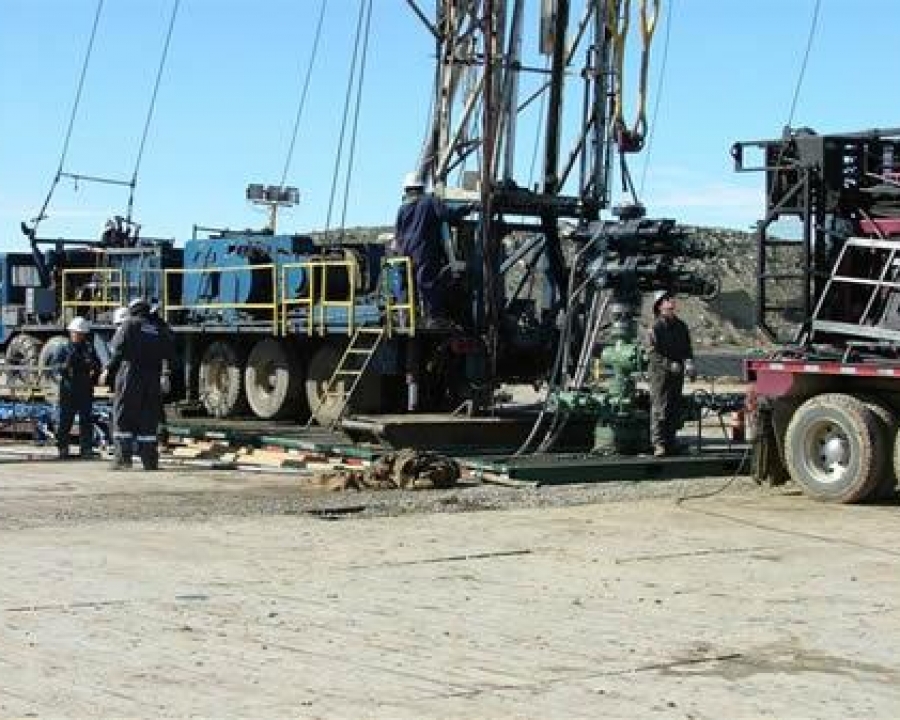
Oil and gas operators often focus on preventing large, catastrophic spills. But, in reality, many environmental issues on drilling and production sites come from something much smaller: routine leaks and drips at the wellhead. While they might seem minor at first, small oil spills can accumulate quickly, leading to soil contamination, regulatory issues, and costly cleanup work.
In this blog post, we’ll break down the hidden risks of small oil spills on industrial sites and how one proactive containment system can help you address them immediately. Keep reading for more.
Why Wellheads Are An Oil Spill Risk
Wellheads play a critical role in oil and gas production. They regulate the pressure and flow of oil, gas, and other fluids coming from underground reservoirs while connecting multiple pieces of surface equipment. However, because they operate under high pressure and involve numerous valves and fittings, wellheads can also become one of the most common points where leaks or spills occur on a site.
One of the most serious wellhead-related incidents is a blowout. A blowout occurs when pressure control systems fail, allowing oil, natural gas, or drilling fluids to escape uncontrollably from the well. In addition to these large-scale events, wellheads are often the source of small oil spills. Drips from valves, worn seals, loose fittings, or temporary disconnections during maintenance can all release small amounts of oil or produced water. While these leaks may seem minor compared to major blowouts, they can still create significant environmental and operational risks if they are not properly managed.
Why Small Wellhead Leaks Matter
Generally, wellhead blowouts are considered one of the most significant sources of oil spills. These catastrophic events, like the Deepwater Horizon oil spill in 2010, can release millions of barrels of oil.
But here’s what often gets overlooked: Although they get the most attention, drilling incidents are not the largest source of oil pollution in the ocean. Instead, studies have found that small-scale, everyday pollution, like land-based runoff, is the leading cause of oil in the ocean.
In other words, while wellhead blowouts are devastating when they occur, the cumulative impact of smaller, routine leaks and runoff can be even greater. This is why preventing small, routine leaks at wellheads is so important. Even minor drips can contribute to a much larger environmental problem over time.
How to Prevent Wellhead Spills
While some oil spills are unavoidable in industrial environments, operators can significantly reduce the risk and impact of spills by combining regular equipment maintenance, proper containment systems, and a clear spill response plan.
Conduct Ongoing Maintenance
Routine maintenance is one of the most effective ways to reduce spill risks at the wellhead. Because these systems operate under high pressure and constant use, components can wear down over time. Small issues like degraded seals or loose fittings can quickly turn into persistent leaks if they are not addressed.
Operators should perform regular inspections and maintenance to identify potential problems early. This typically includes checking valves, seals, hoses, and connections for signs of wear, corrosion, or damage.
Use Wellhead Containment
One of the easiest and most reliable ways to prevent oil spills is to invest in proactive solutions, such as wellhead containment. These drilling containment pads are designed to sit beneath and around wellhead equipment and create a physical barrier that prevents oil, produced water, or drilling fluids from reaching the surrounding soil. Instead of spreading across the site, leaks are captured and contained in a controlled area where they can be safely removed.
At Enviro-Pads, our wellhead containment system is designed to be portable, reusable, and features a custom-sized gasket assembly. To learn more about how these systems work, see our guide on rig and wellhead containment systems for oil and gas operations.
Make a Spill Containment Plan
Unfortunately, even in perfect situations, some oil spills are unavoidable. In these cases, it pays to have a clear spill containment plan in place. These documents outline what operators should do when a spill occurs, including how to stop the source, contain the fluids, contact the right people, and clean up the impacted area. This is often called the “5 Cs” of spill management. By having a clear plan in place, facilities ensure that oil spills are quickly contained, limiting their impact on soil, groundwater, and nearby ecosystems.
Prevent Wellhead Oil Spills Now
At Enviro-Pads, we manufacture, sell, and rent a variety of oilfield containment solutions, including wellhead containment, rig containment, portable wash pads, and more. Our containment systems are designed to help operators capture leaks at the source, protect surrounding soil and groundwater, and maintain safer, more compliant work sites. For more information, read more about the best containment products for oil and gas operations or call our office for details.


 THE SOLUTIONS FOR YOUR SOLUTIONS
Primary and Secondary Containment
Made in Canada For All Seasons
THE SOLUTIONS FOR YOUR SOLUTIONS
Primary and Secondary Containment
Made in Canada For All Seasons